FeaturedSiwa
Five days in Siwa without a phone
What actually changes when the nearest bar of signal is ninety kilometres away, and why that is the best thing about the place.
3 min read
Siwa
A palm-and-salt oasis three hours west of the road, where electricity arrives after sunset and nobody is in a hurry.
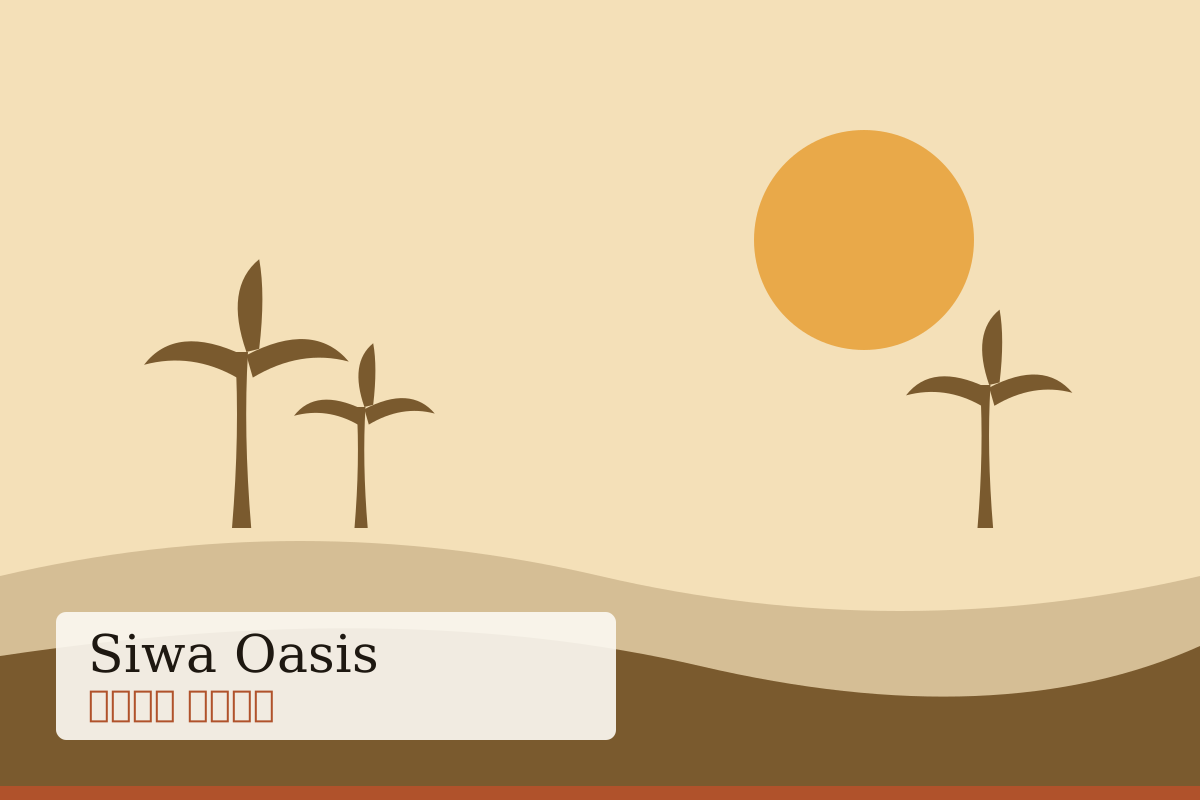
Siwa sits in a depression at the edge of the Western Desert, about 800 kilometres from Cairo but a world away in temperature and pace. The date palms grow on springs that have been running since Roman times, and the salt lakes around the town are shallow enough to wade across.
The drive is six hours of tarmac and then sand. Most visitors arrive as part of an organised 4x4 loop from Bahariya or Alexandria; the independent route is possible but involves two river crossings that should not be attempted in a rental car without checking the tyres first.
The centre of Siwa is a grid of low, whitewashed buildings behind tall palm gates. You will hear olive, not motorbikes. Dates are sold by the crate outside the market from about July, and the honey is worth buying even if you have no room in your bag.
Moffat, the mountain that rises 150 metres straight out of the town, has the remains of a sixth-century fortress on top. Climb it in the late afternoon. The light on the salt lake below turns the whole basin into a mirror.
Siwa is not a day trip, and it is not a beach resort. It is slow, hot and quiet, and it rewards people who stay at least three nights. If you come for a weekend, you will spend most of it travelling.
What actually changes when the nearest bar of signal is ninety kilometres away, and why that is the best thing about the place.